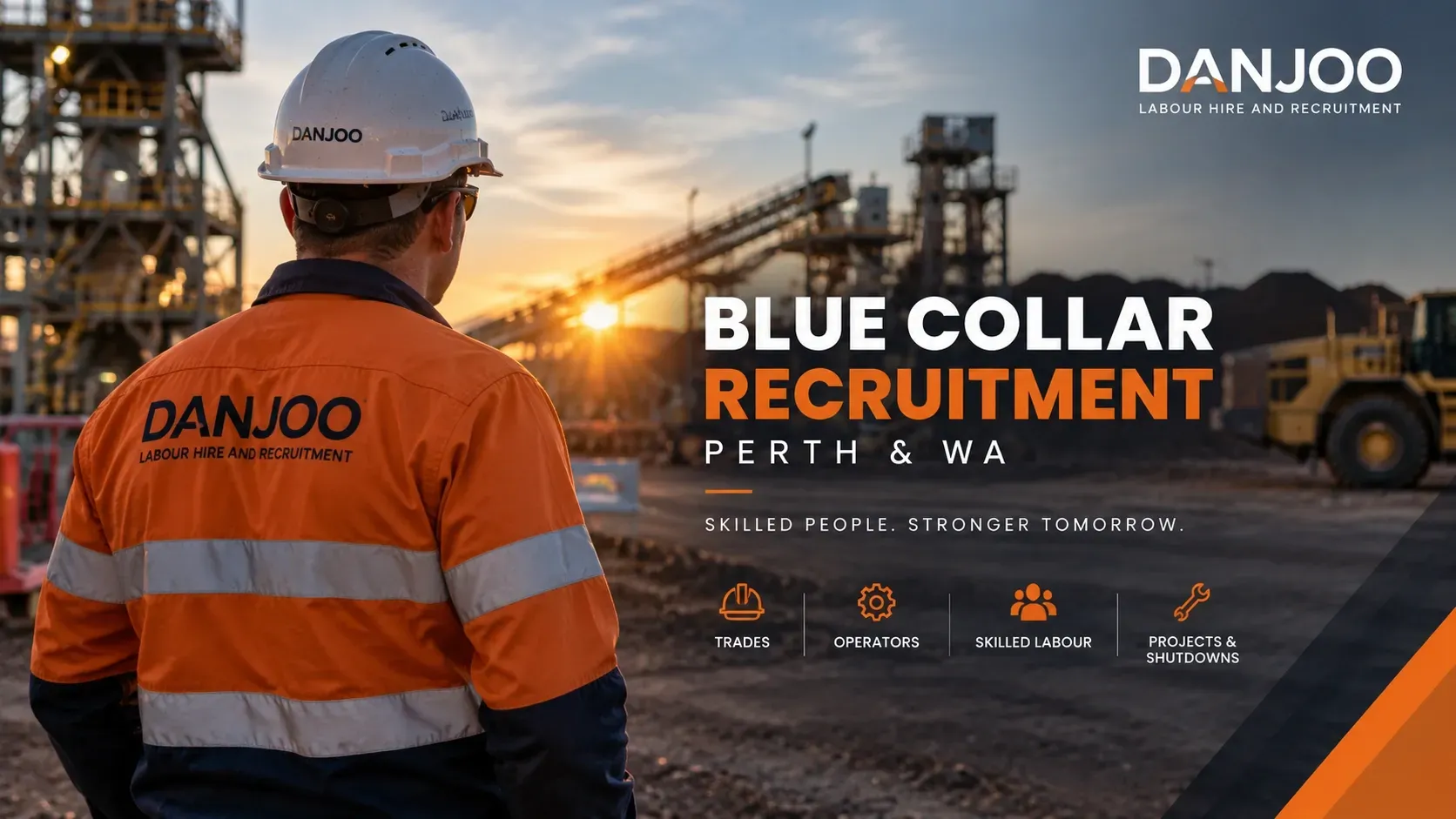
Indigenous Labour Hire in Perth:
A Guide for WA Employers
Employers across Perth and Western Australia are increasingly looking at how their workforce strategies and supplier relationships can support Aboriginal participation and engagement.
For many organisations, this includes developing meaningful relationships with Aboriginal-owned recruitment and labour hire providers rather than treating Indigenous engagement simply as a requirement within a tender or procurement process.
This guide explains what Indigenous labour hire involves, where it is commonly used in Western Australia, the workforce solutions available and what employers should consider when choosing a recruitment and labour hire partner.
What Is Indigenous Labour Hire?
Indigenous labour hire generally refers to labour hire services delivered through an Aboriginal-owned or Torres Strait Islander-owned business.
Under a labour hire arrangement, the provider recruits and employs the worker before placing them with a client for an agreed period, project, shutdown or ongoing workforce requirement. The client manages the worker's day-to-day activities on site, while the labour hire provider manages the employment relationship and associated payroll obligations.
In Western Australia, Indigenous workforce providers can support far more than entry-level employment. Depending on the provider, services can include skilled trades, operators, general labour, site supervision, professional recruitment, permanent recruitment and project workforce solutions.
Ownership structures, industry experience and service capabilities can vary considerably between providers, making it important for employers to understand exactly who they are engaging and what workforce capability they can provide.
Why Employers Work With Aboriginal-Owned Labour Hire Providers
Aboriginal Procurement & Supplier Engagement
Many government and private-sector organisations seek to increase engagement with Aboriginal-owned businesses through their procurement and supply chains.
Working with an appropriately verified Aboriginal-owned labour hire provider can allow workforce expenditure to form part of a broader Aboriginal procurement and supplier engagement strategy.
Where a contract, tender or internal procurement policy contains specific Aboriginal supplier requirements, employers should confirm exactly what ownership, registration or certification criteria apply.
Access to Candidate Networks
Established recruitment and labour hire providers develop networks of candidates across trades, operations, labour, supervision and professional roles.
Strong community and regional connections may also provide access to candidates who aren't actively applying through mainstream job boards.
This can be particularly valuable when employers need additional personnel for projects, shutdowns, maintenance programs or short-notice workforce requirements.
Workforce Development
Recruitment can also form part of a longer-term workforce strategy.
Depending on the organisation and provider, employment pathways, training and workforce development can help businesses build sustainable local capability rather than simply addressing an immediate vacancy.
Cultural Understanding
Aboriginal-owned businesses can bring valuable understanding of community relationships, cultural obligations and the environments in which people live and work.
For employers operating across regional Western Australia, this understanding can be particularly relevant when developing workforce strategies and supporting employees throughout an assignment.
Industries Using Indigenous Labour Hire in WA
Indigenous labour hire and recruitment can support employers across a broad range of industries throughout Western Australia.
· Mining & Resources
· Construction
· Engineering
· Infrastructure & Civil
· Maintenance & Shutdowns
· Industrial Operations
These industries can experience significant changes in workforce demand as projects commence, shutdowns are scheduled or operational requirements change.
Recruitment and labour hire providers can help businesses respond by supplying additional workers for short-term requirements through to larger project workforces and ongoing operations.
What Roles Can Indigenous Labour Hire Providers Fill?
The roles available depend on the capability and industry experience of the individual provider. Workforce requirements can include:
Trades & Skilled Personnel
Mechanical Fitters, Boilermakers, Welders, Electricians, Riggers, Dogmen, Scaffolders, Carpenters and other skilled trades.
Operators & Site Personnel
Plant Operators, Machine Operators, Forklift Operators, Truck Drivers, Trade Assistants, Civil Construction Workers and General Labourers.
Site Supervision & Management
Leading Hands, Site Supervisors, Maintenance Supervisors, Shutdown Supervisors, Superintendents, Construction Managers and Project Managers.
White Collar & Professional
Administration, Project Support, HSE, Engineering, Contracts Administration, Quantity Surveying and other technical and professional positions.
Providers may offer these workers through labour hire, contract recruitment or permanent recruitment, depending on the position and workforce requirement.
How to Choose an Indigenous Labour Hire Partner in Perth
Choosing a workforce partner should involve more than comparing hourly rates. Employers should consider the provider's ownership, industry experience, recruitment capability, screening processes, compliance systems and ability to support workers throughout an assignment.
Verify Ownership & Credentials
If engaging an Aboriginal-owned provider is important to your procurement strategy, ask about the ownership structure and verify any relevant registrations or certifications.
Don't rely solely on a logo or statement on a website. Where certification or registration is required by your organisation, tender or contract, confirm its current status through the appropriate directory or certifying organisation.
Check Industry & Site Experience
Recruiting for a construction project can be very different from supplying personnel to a mine site, processing facility, maintenance shutdown or civil project.
Ask prospective providers about their experience supplying comparable roles and working environments. A recruitment partner should understand the qualifications, experience and practical site requirements relevant to the workforce you need.
Understand Candidate Screening & Compliance
Ask how candidates are interviewed and how relevant references, qualifications, licences, tickets and certifications are obtained and checked.
For site-based roles, also establish how the provider manages client-specific compliance and mobilisation requirements.
Understand the Commercial Model
Labour hire is generally charged at an agreed hourly rate incorporating the worker's pay and applicable employment on-costs together with the provider's margin.
Rates can vary depending on the position, roster, location, duration and other requirements. Rather than comparing headline rates alone, employers should obtain a written proposal based on the same workforce scope and understand what is included in the rate.
Ask About Worker Support
Recruitment doesn't end when someone arrives on site.
Ask how the provider communicates with workers throughout their assignment, manages workforce issues and supports both the employee and client when circumstances change. Good communication can be particularly important for longer assignments, regional work and projects involving larger workforce numbers.
Questions to Ask a Labour Hire Provider
Before engaging a provider, consider asking:
1. Who owns the business and what is its ownership structure?
2. What current certifications or directory listings does the business hold?
3. What experience do you have supplying similar projects, industries and roles?
4. How are candidates interviewed and screened?
5. How do you verify licences, qualifications, tickets and other credentials?
6. How do you manage site-specific compliance and mobilisation?
7. What workforce numbers can you realistically recruit and mobilise?
8. How are payroll, superannuation and workers' compensation managed?
9. What support do workers and clients receive during an assignment?
10. What reporting can you provide where Aboriginal employment or supplier engagement forms part of the client's requirements?
Common Mistakes Employers Should Avoid
Choosing solely on hourly rate - A lower rate doesn't necessarily represent better value if the provider cannot consistently supply suitable personnel or meet mobilisation requirements.
Failing to verify credentials - If Aboriginal ownership, registration or certification is important to your procurement requirements, verify it before engagement.
Providing an incomplete workforce brief - Recruiters need accurate information about roles, rosters, qualifications, site conditions, commencement dates and project duration.
Treating Indigenous engagement as a compliance exercise - A stronger approach is to develop genuine supplier relationships focused on workforce outcomes, capability and long-term engagement.
Leaving mobilisation until the last minute - Providing workforce forecasts and site requirements early gives recruiters more time to identify, screen and prepare suitable personnel.
Working With Danjoo
Danjoo Labour Hire and Recruitment supports employers across Perth and Western Australia with flexible workforce solutions across mining, construction, engineering, infrastructure, maintenance and industrial operations.
Our recruitment capability includes labour hire, permanent recruitment, blue collar and white collar recruitment, site supervision and management, and workforce support for projects and shutdowns.
We work closely with clients to understand their workforce requirements, including the roles required, experience, qualifications, site conditions and mobilisation timeframes, before identifying and screening suitable personnel.
If your workforce strategy includes engaging an Aboriginal-owned recruitment and labour hire provider, talk to Danjoo about your requirements and how we can support your organisation.
Frequently Asked Questions
What is Indigenous labour hire?
Indigenous labour hire generally refers to labour hire delivered through an Aboriginal-owned or Torres Strait Islander-owned business. The provider employs workers and places them with client organisations for an agreed period, project, shutdown or ongoing workforce requirement.
What roles can an Indigenous labour hire provider supply?
Depending on the provider, roles can range from trades, operators and general labour through to supervisors, project personnel, technical professionals and management positions.
Do I need to use a certified provider?
That depends on your organisation, contract, procurement policy or tender requirements. Where specific certification or registration is required, employers should confirm that the provider's status is current through the relevant organisation or directory rather than relying on older marketing material.
How much does Indigenous labour hire cost in Perth?
There is no single labour hire rate. Pricing varies according to factors including the role, skills required, roster, location, duration and mobilisation requirements. Employers should obtain a quote based on their actual workforce scope.
Can Indigenous recruitment providers fill white collar roles?
Yes, depending on the provider's capability. Recruitment services can include professional, technical, supervisory and management positions as well as traditional blue collar roles.
How quickly can workers be mobilised?
Mobilisation time depends on the role, candidate availability, site location and client requirements. Tickets, qualifications, medical requirements, inductions, travel and other site requirements can all affect mobilisation timeframes.
Recent Posts